Asphalt Paving in Huntsville, AL
New asphalt surfaces for homes and businesses across Huntsville and Madison County — graded, based, and paved to hold up on North Alabama red clay through hot summers, heavy rain, and the occasional hard freeze.
Call (256) 813-9284 for a Free Estimate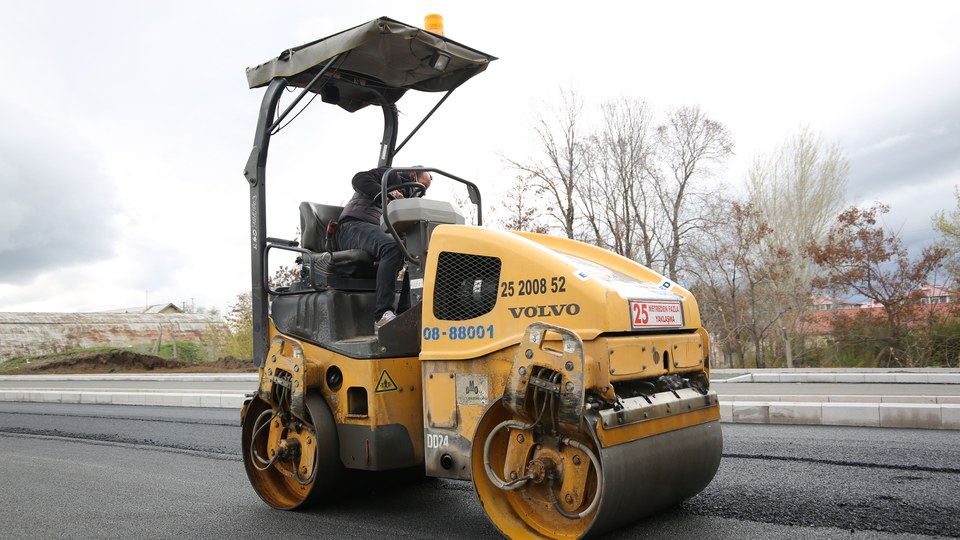
A good asphalt surface is mostly the part you cannot see: the grading and the base. We start by shaping the ground so water runs off instead of pooling, then build a compacted crushed-stone base that carries the load and keeps the asphalt off the raw clay. Only once that foundation is right do we lay and roll the mat. Skip the base work on clay and even fresh pavement cracks and settles within a season — which is exactly why the prep is where the real value is here.
Whether it is a residential driveway, a private drive on acreage, or a fresh lot, the process is the same: assess the site and the drainage, grade to fall, build the base, pave, and compact to a smooth, sealed finish. We size the asphalt thickness to how the surface will actually be used, from passenger vehicles to heavier equipment, because a mat built for a sedan will not hold up under a loaded trailer.
The Base Is the Job — Especially on Red Clay
Most of Madison County sits on red clay, and clay is the reason paving has to be done right here. It holds water rather than draining it, and it is expansive — it swells as it takes on moisture and shrinks as it dries, so the ground under a driveway is never quite still through a wet spring and a dry August. Lay a mat straight onto that and it moves with the clay and cracks. That is why the base matters so much. We shape and compact the subgrade, then build a crushed-stone base and compact it in lifts so the asphalt rides on a stable, load-spreading layer instead of directly on ground that swells and shrinks.
Base depth is matched to use, not guessed. A passenger-car driveway needs less than a drive that regularly carries trucks and trailers, and a surface built for equipment needs more still. Anyone quoting the same build for every job is not measuring the one thing that decides how long it lasts — and on clay, an under-built base is a failure with a delay on it, not a savings.
Built for Heat, Rain, and a Few Hard Freezes
Huntsville asphalt does not face northern winters, but it does not get an easy ride either. The long North Alabama summer is the first stress: afternoon heat softens asphalt, and a mat that is too thin for its load will scuff and rut under turning tires on the hottest days. The second is water — our rain is frequent and often heavy, and water is what carries damage down into the clay, working through any crack and pooling on a base that drains slowly. The third is winter. We get a handful of hard freezes a year, not the dozens that heave northern roads, but it is enough that water sitting in a crack or a saturated subgrade can freeze, expand, and widen the damage a little each time.
We build for all three. Proper mat thickness stands up to heat and load, a tight and well-compacted surface keeps water out, and — most important on slow-draining clay — the grade is set so our downpours sheet off the surface instead of sitting against it. Sealcoating down the road handles the sun and closes the surface against water. Get those right and an asphalt surface holds up here for fifteen to twenty years, and longer when the base and drainage are done right.
New Install, Overlay, or Full Replacement
Not every tired surface needs tearing out. If the base is still sound and the problems are on top — oxidation, shallow cracking, a worn look — an overlay lays fresh asphalt over the existing surface for far less than a rebuild and buys years. If the clay has been moving and the base has failed, though, an overlay just telegraphs the same cracks through the new surface within a season, so a full replacement down to a rebuilt base is the honest answer.
The tell is whether the surface is moving. A drive that has spidered into interlocking cracks, sunk in spots, or gone soft underfoot has a base problem; one that is simply faded and lightly cracked usually does not. We dig where we need to, tell you which situation you actually have, and quote the option that is the real value — including when that is the cheaper one.
On a new driveway, it is worth seeing how asphalt compares to concrete and pavers before you settle on a surface.
What’s Included
- Site assessment and a drainage/grading plan for the lot
- Compacted crushed-stone base built for the load and the clay
- Hot-mix asphalt laid and rolled to a smooth finish
- Clean edges and proper slope so water sheds off the surface
- New installs and full replacements of failed surfaces
Why It Matters in Huntsville
Huntsville and Madison County are growing fast, and a lot of that growth is on red clay that punishes a shortcut. A properly based asphalt surface is the cost-effective, low-maintenance choice for driveways and drives here — provided the base and slope are built for ground that holds water and moves with the seasons rather than against it.
Frequently Asked Questions
How long does new asphalt take to cure before I can drive on it?
You can usually drive on new asphalt within a day or two, but it continues to harden for several weeks. In our summer heat, be gentle at first — avoid sharp turns while stopped and keep trailer jacks off it. We will give you the specifics for your job and the weather that week.
Why do driveways crack so much in North Alabama?
Red clay. It holds water and swells and shrinks with the seasons, and that movement under the mat is the main reason a local driveway cracks and settles. A compacted stone base and good drainage are what keep that movement from reaching the surface.
Is asphalt or concrete better for a Huntsville driveway?
Asphalt usually costs less to install, flexes with ground that moves, and is simpler to repair — which is an advantage on expansive clay. Concrete can make sense for short, decorative drives. We are happy to talk through your specific site rather than push one answer.
When is the best time of year to pave in Huntsville?
Asphalt is laid best in warm, dry weather — roughly March through November here, when temperatures hold above about fifty degrees and rising. We plan around the summer afternoon storms, since fresh asphalt and heavy rain do not mix, and we watch the forecast for a dry window.
Can you pave a private road or long drive on acreage?
Yes. Longer private drives north of the city are regular work — the grading and drainage matter even more over a long run, because water gathers volume along the way and the low end is where a clay base gets saturated first.
Other Services
- Asphalt Driveways in Huntsville
- Sealcoating in Huntsville
- Asphalt Repair in Huntsville
- Parking Lot Paving in Huntsville
- Tar & Chip Driveways in Huntsville
Areas We Serve
- Asphalt Paving in Madison County
- Asphalt Paving in Madison
- Asphalt Paving in Meridianville
- Asphalt Paving in Harvest
- Asphalt Paving in New Market
Wondering what it runs? See our asphalt driveway cost guide for Huntsville.
Free Asphalt Paving Estimate in Huntsville
Free, no-obligation estimates across Madison County. Tell us about your driveway or lot.
Call (256) 813-9284